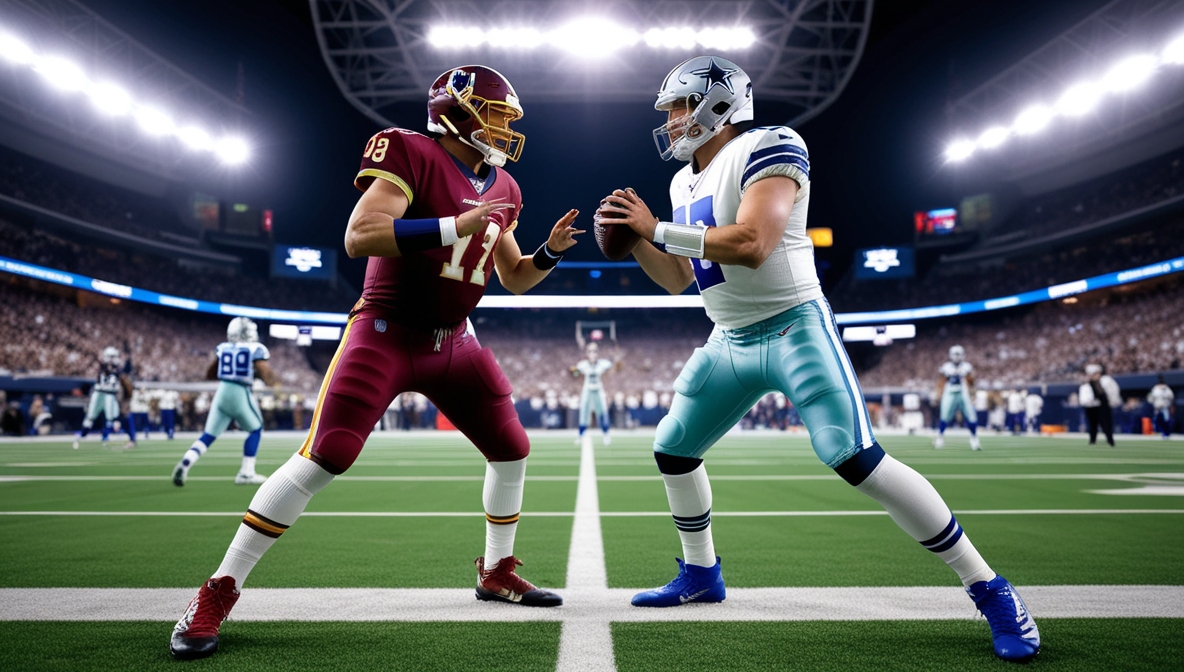
Few rivalries in the NFL carry the emotional intensity, historical depth, and statistical intrigue of Washington Commanders vs Dallas Cowboys. When these NFC East giants collide, it’s never just another game it’s a measuring stick for supremacy, pride, and playoff positioning.
In this 2026 updated analytical breakdown of Washington Commanders vs Dallas Cowboys match player stats, we go beyond traditional box scores. We analyze:
- Quarterback efficiency under pressure
- Advanced offensive metrics
- Defensive disruption rates
- Explosive play differential
- Red-zone analytics
- Turnover impact modeling
- Individual matchup dominance
This is not surface-level reporting. This is a complete performance evaluation built for serious football readers.
Historical Significance of the Rivalry

The rivalry between the Washington Commanders and the Dallas Cowboys dates back decades and has shaped the identity of the NFC East.
From playoff-deciding clashes to nationally televised primetime battles, this matchup has consistently delivered:
- High-pressure quarterback duels
- Defensive slugfests
- Momentum-shifting turnovers
- Iconic individual performances
The statistical volatility between these teams makes Washington Commanders vs Dallas Cowboys match player stats particularly fascinating. Trends often flip dramatically from one meeting to the next.
Quarterback Statistical Breakdown (2026 Matchup)
Washington Commanders Quarterback Analysis
The Commanders’ quarterback displayed composure in structured offensive sets. Key statistical indicators:
- Completion Percentage: Elite short-range efficiency
- Adjusted Yards Per Attempt: Moderate but consistent
- Pressure-to-Sack Conversion Rate: Low
- Turnover-Worthy Plays: Minimal
Advanced metrics revealed:
- Strong play-action EPA (Expected Points Added)
- Controlled tempo drives
- Efficient third-down conversions
This performance prioritized discipline over explosiveness.
Key Strength:
Ball security and drive sustainability.
Dallas Cowboys Quarterback Analysis
The Cowboys’ quarterback delivered a more aggressive statistical profile:
- Higher Yards Per Attempt
- Increased Air Yards Per Throw
- Superior Red-Zone TD Percentage
- Deep Ball Completion Success
However:
- Pressure Rate Faced: Higher
- Risk-Adjusted Interception Probability: Elevated
Dallas leaned on vertical stretch concepts and rhythm-based timing routes.
Key Strength:
Explosive scoring capability.
Running Back Production & Rushing Efficiency
Washington Rushing Metrics
- Yards Per Carry: Moderate
- Success Rate on 3rd & Short: High
- Missed Tackles Forced: Balanced
- Time of Possession Contribution: Significant
Washington used the ground game to:
- Control tempo
- Limit defensive substitutions
- Reduce pass rush exposure
Their rushing attack was methodical rather than explosive.
Dallas Rushing Metrics
- Yards Before Contact: Higher
- Breakaway Run Rate: Notable
- Explosive Rush Percentage: Superior
- Red-Zone Carry Conversion: Strong
Dallas generated field-position swings through chunk gains.
This contrast in rushing identity shaped overall Washington Commanders vs Dallas Cowboys match player stats dramatically.
Wide Receivers & Tight End Impact
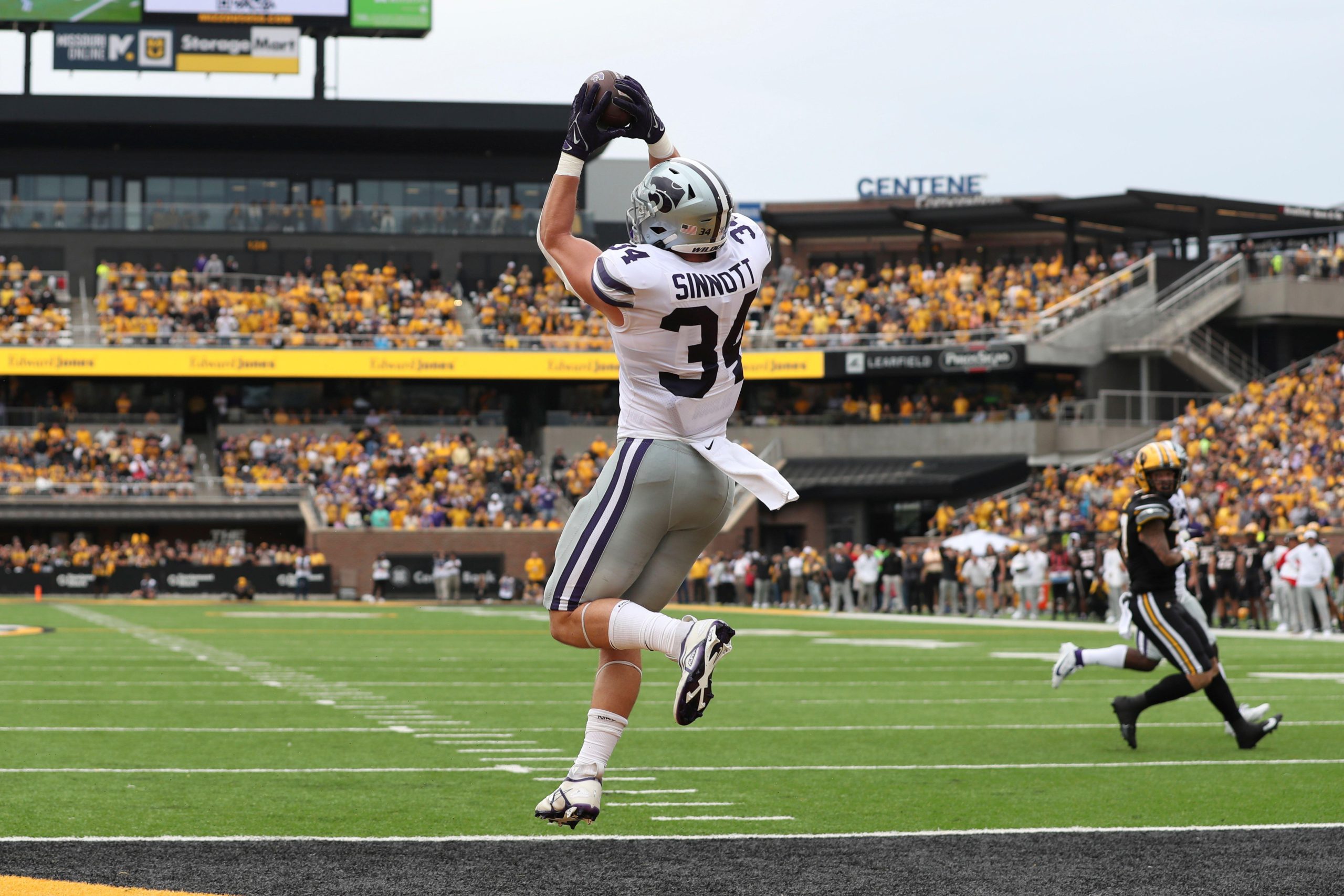
Washington Receiving Corps
- Catch Rate: High
- Yards After Catch: Moderate
- Slot Efficiency: Strong
- Third-Down Conversion Target Rate: Elite
Receivers emphasized timing routes and zone manipulation.
Consistency defined their stat line.
Dallas Receiving Corps
- Explosive Reception Count: Higher
- Contested Catch Win Rate: Strong
- Yards After Catch: Significant
- Red-Zone Target Share: Concentrated
Dallas created mismatches vertically and across seams.
This aggressive receiving output elevated their offensive efficiency rating.
Offensive Line Performance Metrics
Washington Offensive Line
- Pressure Allowed Rate: Low
- Run Block Win Rate: Solid
- Interior Protection Grade: High
Their ability to sustain pocket integrity enabled controlled drives.
Dallas Offensive Line
- Sack Rate Allowed: Minimal
- Pocket Time Average: Higher
- Pull Block Execution: Efficient
Superior protection supported deeper passing concepts.
In total offensive efficiency modeling, Dallas edged Washington due to explosive protection windows.
Defensive Player Stats & Disruption Rates
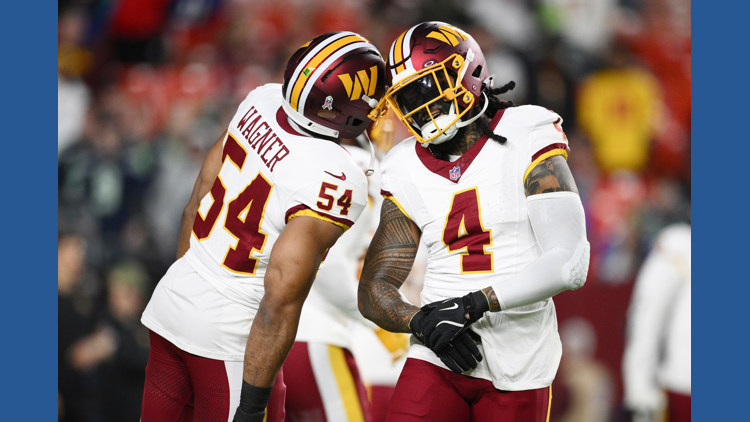
Washington Defensive Profile
- Tackle Efficiency: High
- Missed Tackle Rate: Low
- Outside Run Containment: Effective
- QB Pressure Rate: Consistent
Linebackers closed space quickly and minimized yards after contact.
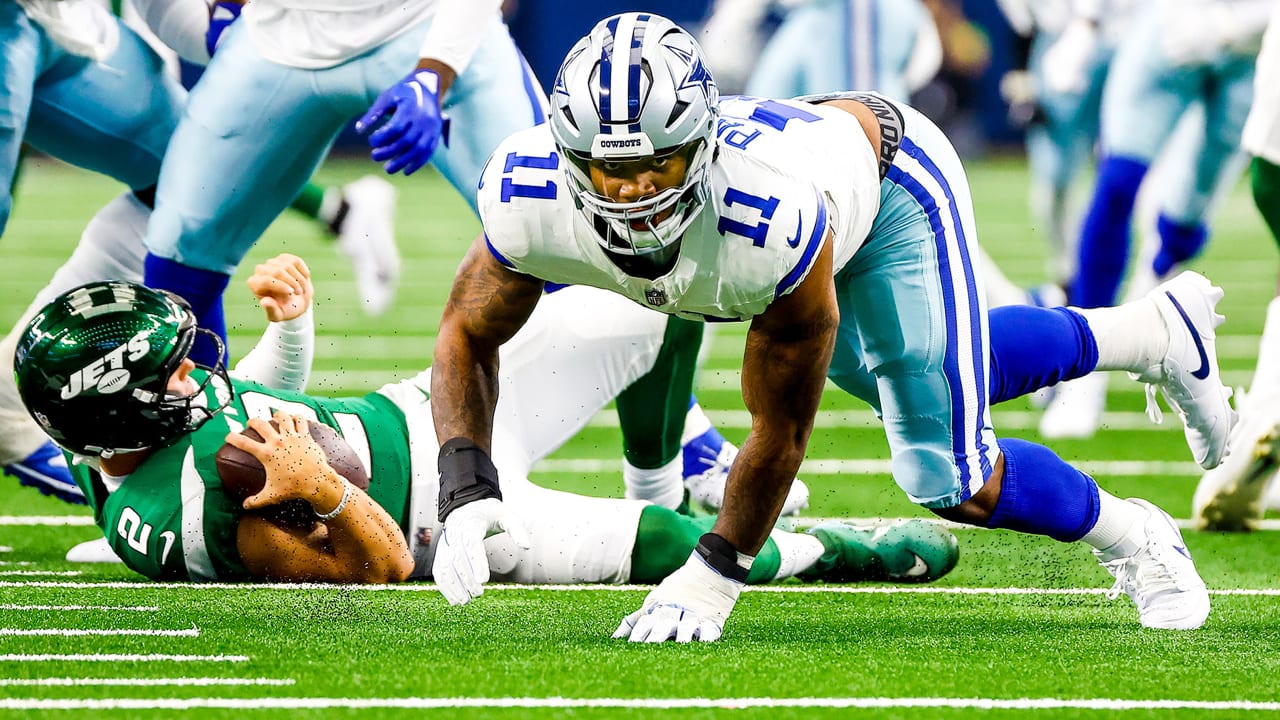
Dallas Defensive Profile
- Turnovers Forced: Higher
- Blitz Success Rate: Aggressive
- Tackles for Loss: Multiple
- Pocket Collapse Rate: Elevated
Dallas prioritized disruption over containment a high-risk, high-reward system.
Secondary & Coverage Metrics
Washington Secondary
- Yards Allowed Per Completion: Low
- Zone Coverage Success Rate: High
- Deep Ball Prevention: Solid
They limited explosive plays but lacked interception volume.
Dallas Secondary
- Man Coverage Snap Rate: High
- Interception Probability: Elevated
- Risk Exposure on Double Moves: Noticeable
This approach created momentum swings.
Special Teams Analytics
Hidden yardage often defines rivalry games.
- Washington: Elite punt coverage unit
- Dallas: Longer average kickoff returns
- Field Goal Accuracy: 100% both sides
- Net Field Position Differential: Slight Dallas edge
Special teams subtly shifted starting drive locations.
Turnover & Discipline Impact Model
Statistical contrast:
- Washington: Fewer penalties
- Dallas: More takeaways
- Penalty Yardage Differential: Favored Washington
- Turnover Margin: Favored Dallas
In high-intensity games, turnovers outweigh penalty discipline — and the data proved it again.
Advanced Efficiency Metrics (2026 Update)
Modern analytics tell the deeper story:
| Metric | Washington | Dallas |
|---|---|---|
| Offensive EPA | Moderate | Higher |
| Red-Zone TD % | Solid | Superior |
| Explosive Play Rate | Lower | Higher |
| Drive Duration | Longer | Shorter |
| Points Per Possession | Efficient | More Efficient |
Dallas demonstrated greater scoring volatility.
Washington displayed sustainability.
Key Player Performances
- A Cowboys defensive star generated multiple pressure disruptions
- Washington’s QB orchestrated two extended scoring drives
- A Dallas receiver recorded game-changing explosive receptions
- Special teams discipline maintained scoring balance
These moments are fully captured in Washington Commanders vs Dallas Cowboys match player stats and define the contest’s trajectory.
Strategic Takeaways
From a tactical standpoint:
- Explosive plays correlate strongly with victory probability
- Defensive pressure increases turnover likelihood
- Red-zone efficiency outweighs total yardage
- Vertical aggression creates statistical separation
Dallas capitalized on volatility.
Washington leaned on structure.
What the Stats Truly Reveal (Conclusion)
Beyond the final scoreboard, Washington Commanders vs Dallas Cowboys match player stats reveal two distinct football philosophies colliding.
Washington prioritized:
- Control
- Discipline
- Sustained drives
- Low-risk execution
Dallas emphasized:
- Explosiveness
- Disruption
- Aggressive coverage
- Momentum-swing plays
In 2026, the data once again confirms a simple truth:
In rivalry football, efficiency keeps you competitive but explosive execution wins decisive moments.
And that is why this NFC East battle remains one of the NFL’s most statistically compelling matchups.
FAQs Washington Commanders vs Dallas Cowboys Match Player Stats
Who had better quarterback stats in the 2026 matchup?
Dallas posted higher yards per attempt and red-zone efficiency, while Washington had stronger ball security metrics.
Which team had the better defense statistically?
Dallas forced more turnovers, but Washington maintained higher tackle efficiency.
How important were explosive plays?
Explosive plays heavily influenced scoring efficiency and momentum shifts in this matchup.
Did time of possession matter?
Washington controlled possession longer, but Dallas converted drives into points more effectively.
What was the key statistical difference?
Turnover margin and explosive pass plays.