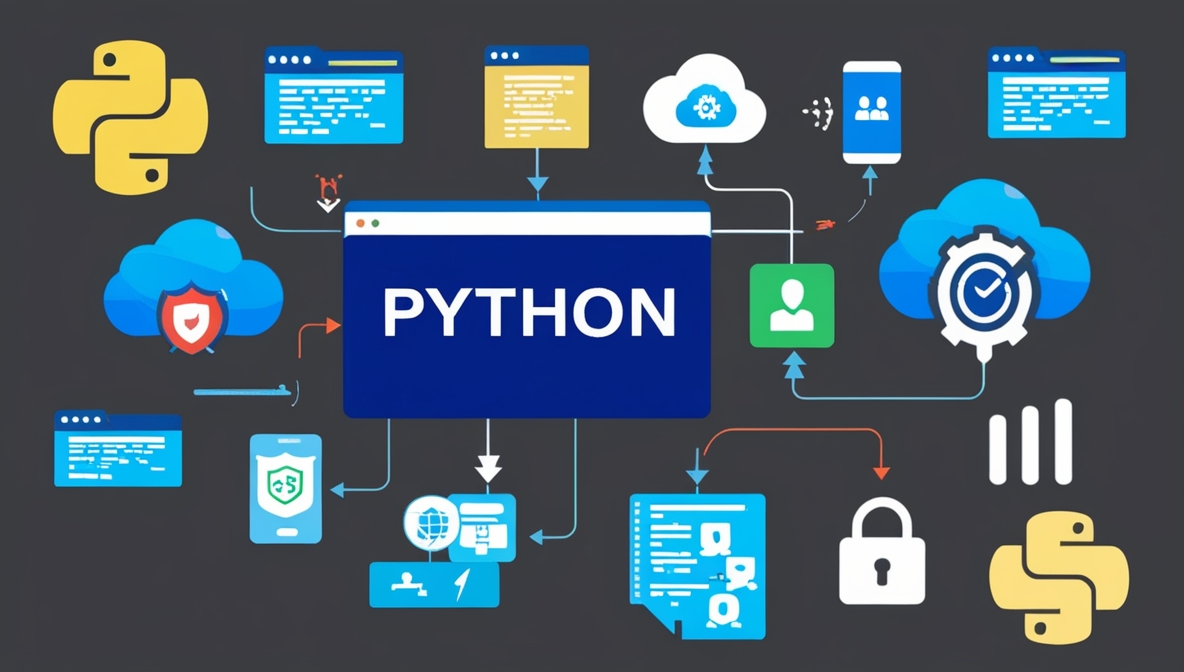
Developing Oxzep7 Python software is an exciting process for developers in the USA. Python is versatile, easy to learn, and works well with modern frameworks and libraries. Learning how to develop Oxzep7 software efficiently requires a clear roadmap and the right tools. From Agile development to post-launch updates, this guide walks you through everything, using Python and other modern technologies.
Creating software without planning can waste time and resources. Using a software development roadmap with project management tools like Trello or Google Sheets ensures that teams stay on track. Combining Python programming, user experience design, and strong testing practices leads to software that users actually want to use.
Purpose and Vision
Before coding, understand the purpose of your Oxzep7 Python software. Ask what problems your app solves and who your end users are. Clear goals guide choices like Python frameworks, frontend frameworks React.js, Vue.js, and database systems. Teams can prioritize features using the MoSCoW method, making sure critical functions are built first.
A strong vision also guides UX and UI design, ensuring your application has a responsive user interface and follows accessibility standards. Tools like Figma and Adobe XD help create wireframes and mockups. Defining the purpose from the start saves time and prevents costly mistakes.
Plan the Roadmap
Planning a roadmap for Oxzep7 Python development is essential. Break the project into phases, from feature prioritization to versioning and changelog management. Agile development lets teams iterate quickly, testing features in small increments.
You can track tasks and milestones with Trello or Google Sheets. A clear roadmap ensures that backend API development with Django or Flask, database management PostgreSQL and MongoDB, and frontend frameworks React.js, Vue.js all move smoothly.
| Phase | Task | Tools/Frameworks | Timeline |
|---|---|---|---|
| Planning | Feature prioritization | MoSCoW method | 1 week |
| Development | Backend API development | Django, Flask | 3 weeks |
| UX/UI | Wireframes & mockups | Figma, Adobe XD | 2 weeks |
| Testing | Unit, alpha, beta testing | PyTest, Continuous testing | 2 weeks |
| Deployment | Containerization, CI/CD pipeline | Docker, GitHub Actions, AWS, Heroku | 1 week |
| Maintenance | Feature updates & analytics | Sentry, Analytics, Post-launch maintenance | Ongoing |
Choose the Tech Stack
The right Python programming stack is critical for Oxzep7 Python. Django is great for large apps needing security and CSRF protection, while Flask offers flexibility for smaller projects. For frontend frameworks, React.js and Vue.js help build responsive user interfaces.
For database management, PostgreSQL is excellent for structured data, while MongoDB is better for flexible, document-based storage. Hosting options like AWS, Bluehost, and Heroku allow autoscaling and load balancing. Using Docker containerization ensures environments are consistent across development and production.
Design UX from Day One
Great UX and UI design make software successful. Start with wireframes and prototypes using Figma or Adobe XD. Think about accessibility, semantic entities, and a responsive user interface for all devices.
Poor UX can drive users away, even if the app is functional. Planning UI and navigation early improves adoption. End users feel the difference when designs are intuitive, consistent, and visually appealing.
Read More: How to Fix Python Software Error OXZEP7 (Step-by-Step Guide)
Begin Agile Development
Agile development helps manage complex Python application development. Work in short sprints, track progress, and adjust priorities. Code modularization allows multiple developers to work on backend API development or frontend frameworks simultaneously.
Use virtual environments Python to manage dependencies. Integrate continuous testing to catch bugs early. Combining Agile development, modular code, and unit testing ensures high-quality software.
Test the Software
Testing is essential in software testing Python. Start with unit testing using PyTest, followed by alpha testing and beta testing with real users. Monitor for CPU usage, memory leaks, and I/O bottlenecks to ensure smooth performance.
Security tests should cover CSRF, SSL, and bcrypt encryption. Use Sentry for real-time errors and crash reports. Proper testing improves application security Python and overall reliability.
Secure the Application
Security is a must for Oxzep7 Python. Protect data with bcrypt and SSL. Guard against attacks like CSRF by implementing best practices in backend API development.
Background jobs should run safely without exposing sensitive information. Combining continuous testing with vulnerability scanning reduces risks. Secure practices protect your end users and maintain trust.
Optimize Performance
Performance optimization is key. Use Redis caching for frequently accessed data. Implement load balancing and autoscaling on AWS or Heroku to handle heavy traffic. Optimize queries in PostgreSQL or MongoDB to reduce bottlenecks.
Monitor CPU usage, memory leaks, and I/O bottlenecks to maintain responsiveness. Proper performance optimization ensures Oxzep7 Python software runs smoothly under load.
Prepare for Deployment
Deployment must be smooth and predictable. Use CI/CD pipeline and Docker containerization for consistent builds. Host on AWS, Heroku, or Bluehost. Mobile apps can reach users via Google Play Store and Apple App Store.
Track issues with Sentry, monitor analytics, and set up automated rollbacks. Preparing deployment carefully prevents downtime and ensures cross-platform compatibility.
Maintain and Improve
Post-launch maintenance keeps Oxzep7 Python software relevant. Use a user feedback loop, monitor analytics, and track crash reports. Implement feature updates regularly.
Version control with GitHub Actions, detailed changelog, and post-launch maintenance ensures your app improves continuously. End users benefit from responsive user interface, UX improvements, and reliable performance.
FAQs
How long does it take to develop Oxzep7 software?
Development time depends on features, team size, and frameworks. An MVP may take 6–8 weeks, while full software can take 3–6 months.
Can Oxzep7 be built for mobile platforms too?
Yes, using cross-platform compatibility tools like Kivy, or connecting Python APIs to mobile apps on Google Play Store and Apple App Store.
What’s the biggest challenge in Python software development?
Challenges include performance optimization, scaling with Redis, load balancing, managing virtual environments Python, and handling background jobs efficiently.